The strangest thing about introducing AI into organizations isn’t how many changes.
It’s how often nothing does.
Dashboards light up. Pilots launch. New tools roll out. And yet meetings still drag, decisions still stall, and outcomes remain stubbornly familiar.
That’s usually the moment leaders begin questioning the technology.
But more often than not, AI isn’t failing - it’s revealing.
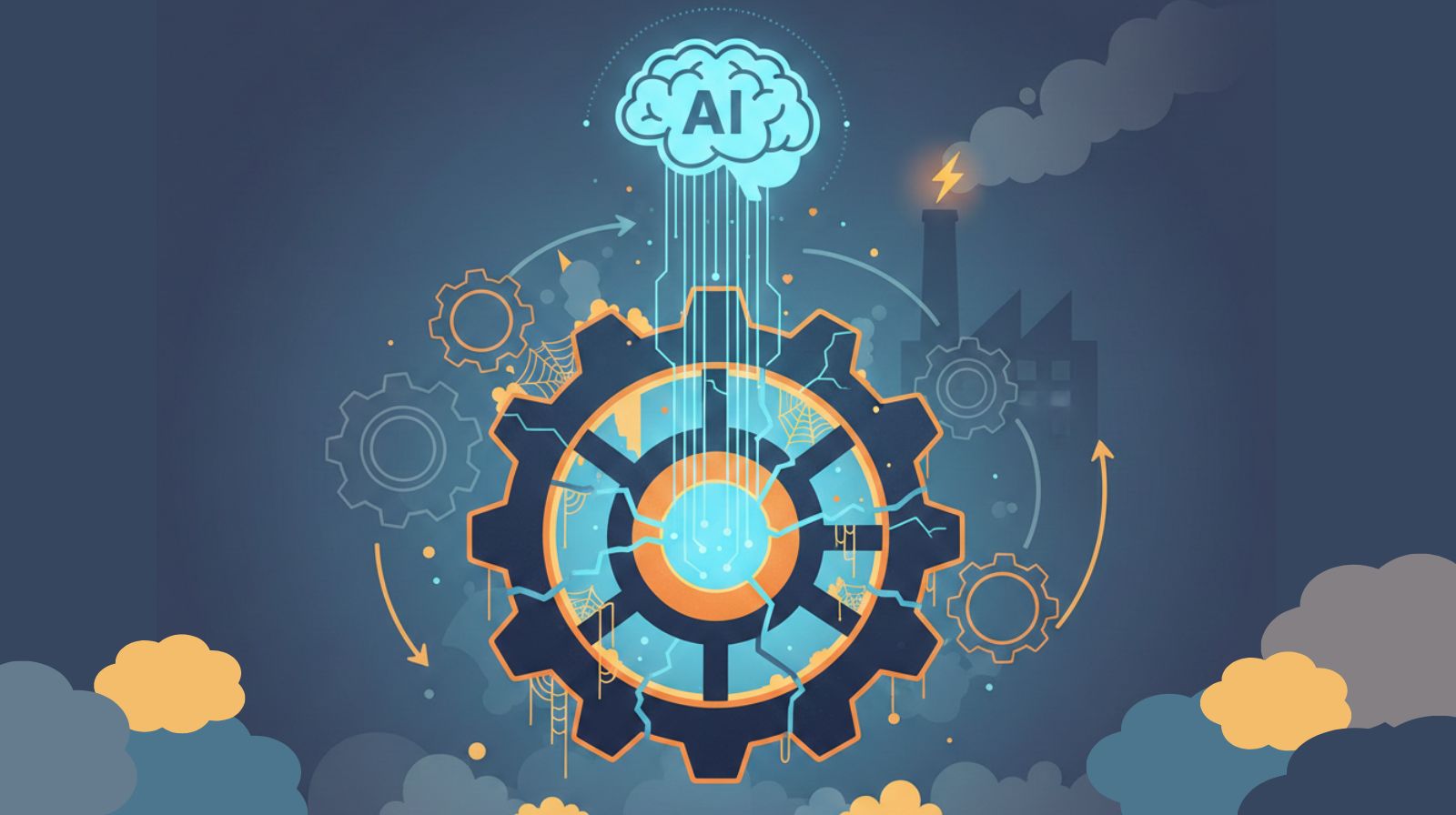
When intelligence is layered onto broken workflows, the result isn’t transformation. It’s exposure. Most organizational processes weren’t designed for speed, insight, or adaptability. They were built for coordination, control, and risk distribution in slower environments.
AI doesn’t magically optimize those structures. It simply accelerates whatever already exists inside them.
There’s a powerful historical parallel.
When factories first replaced steam power with electricity, productivity barely improved. Companies swapped the power source but kept the same layouts designed around massive central engines. Real gains came only when factories were redesigned around what electricity made possible - flexible lines, distributed machines, and new flows of work.
AI works the same way.
Simply inserting intelligence into legacy processes doesn’t create better outcomes. It often just makes inefficiency more visible and more painful.
Transformation doesn’t come from better tools.
It comes from rethinking how decisions move, where friction exists, and which steps were built for a world that no longer exists.
Organizations that succeed with AI aren’t the fastest adopters. They’re the ones willing to redesign workflows instead of decorating them with new technology.
AI doesn’t fix broken processes.
It makes them impossible to ignore.