The year is 2026. You’re not just drinking coffee; you’re looking at your project’s Digital Twin on your tablet.
Your innovation project, “Circular Packaging 2.0,” has been simulating its market entry for weeks. The data looks flawless. But then, the notification pings: Project Paused.
In the old days (way back in 2024), you would have blamed "The Gatekeeper", someone like Mr. Smith from procurement who held your fate in a spreadsheet. You might have felt like a victim of a rigid, slow-moving hierarchy.
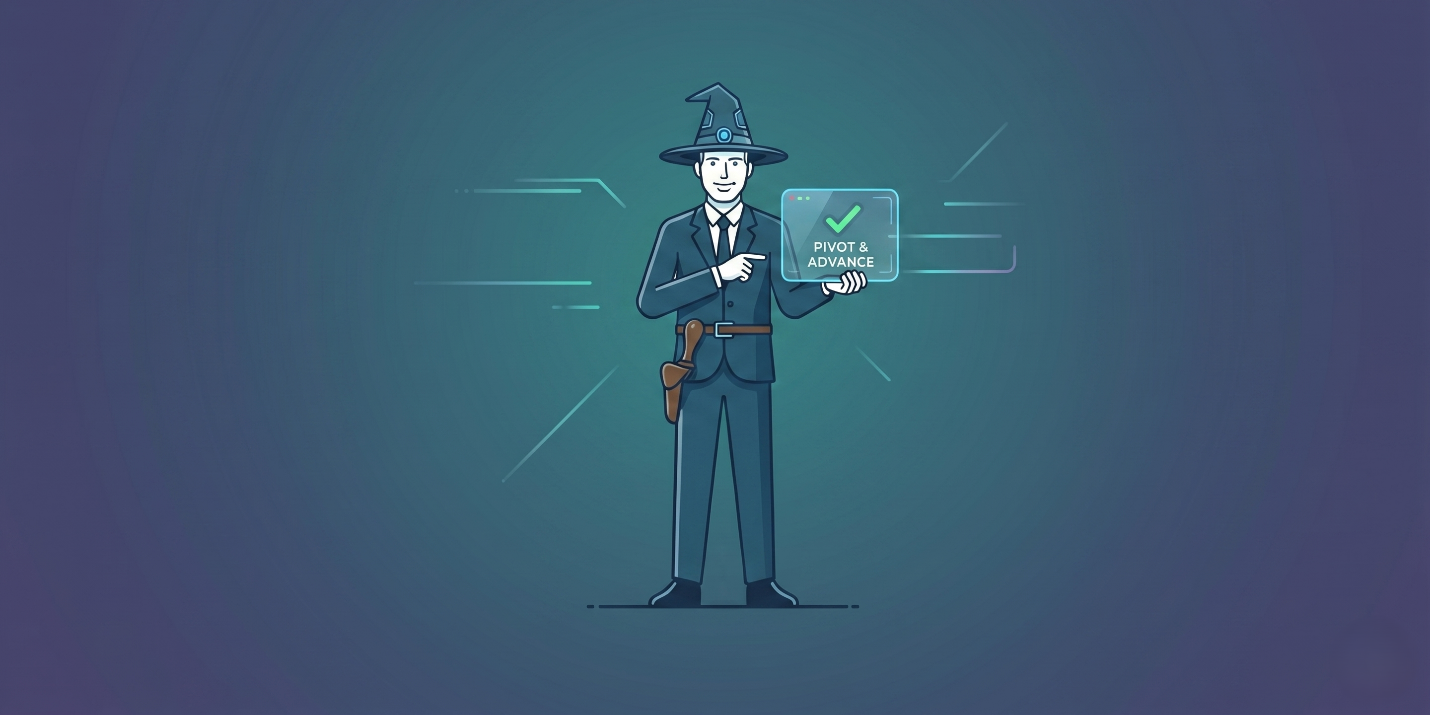
But today, Mr. Smith isn’t a gatekeeper. He’s a Navigator. And the "No" you just received isn’t a wall- it’s a guardrail.
The Death of the Cold Shower
In the traditional Phase-Gate model, the "Kill" decision felt like a surprise execution. In 2026, best-practice companies have moved to Continuous Governance. Instead of waiting months for a meeting, your project is monitored by an AI-Governance Agent. This agent doesn’t just look at your deliverables; it monitors global supply chain shifts, real-time legal updates, and even geopolitical data. When Mr. Smith paused your project, it wasn’t because he "didn’t like it." It was because the system flagged a Geopatriation risk: a new EU regulation on sovereign data for sustainable materials that shifted overnight.
Who is Mr. Smith Today?
Mr. Smith is no longer the man who says "No." He is the senior leader who orchestrates the pivot. * Old Role: Reviewing documentation and checking boxes.
- New Role: Interpreting the "signals" that AI might miss: context, human relationships, and strategic foresight.
He didn’t reject your project; he protected it from a $2M compliance fine that hadn’t even been written into the handbook yet. In 2026, a Gatekeeper’s value isn’t their power to stop things, but their expertise to redirect them.
The Hybrid Approach: Agile-Gate
The biggest trend hitting the internet right now is the Agile-Stage-Gate hybrid.
- The Stage provides the high-level roadmap and financial security.
- Agile allows the team to work in two-week sprints, adjusting the "how" even while the "what" is being assessed.
Mr. Smith’s two-week delay isn’t a failure of the innovation team; it’s a Sprint Reset. While the legal team fixes the supplier contract, your team isn’t sitting idle. You’re pivoting to the User Experience sprint to ensure the delay doesn’t waste a single cent of the budget.
The New Responsibilities of the 2026 Gatekeeper
If you want to lead innovation today, you need Gatekeepers who do more than "Review." They must:
- Orchestrate the Portfolio: Treat innovation like a financial fund: balancing high-risk "moonshots" with steady "incremental" wins.
- Enable Self-Healing Projects: Provide the team with automated tools so they can see red flags before the meeting even happens.
- Human-in-the-Loop Ethics: Ensure that as AI speeds up development, the product remains ethical, sustainable, and human-centric.
Summary: The "Release" is Real
When Mr. Smith sent that follow-up message- "The development phase will be delayed for two weeks. Keep up the great job", he wasn’t being a bureaucrat. He was a Strategic Partner. In 2026, we don’t need fewer gatekeepers. We need smarter gates. We need leaders who understand that "No" today is often the only way to get to a successful "Yes" tomorrow.
Thank you, Mr. Smith, for keeping us on the right side of the future.
Is your company still using 20th-century gates for 21st-century ideas? It might be time to upgrade your Navigators.